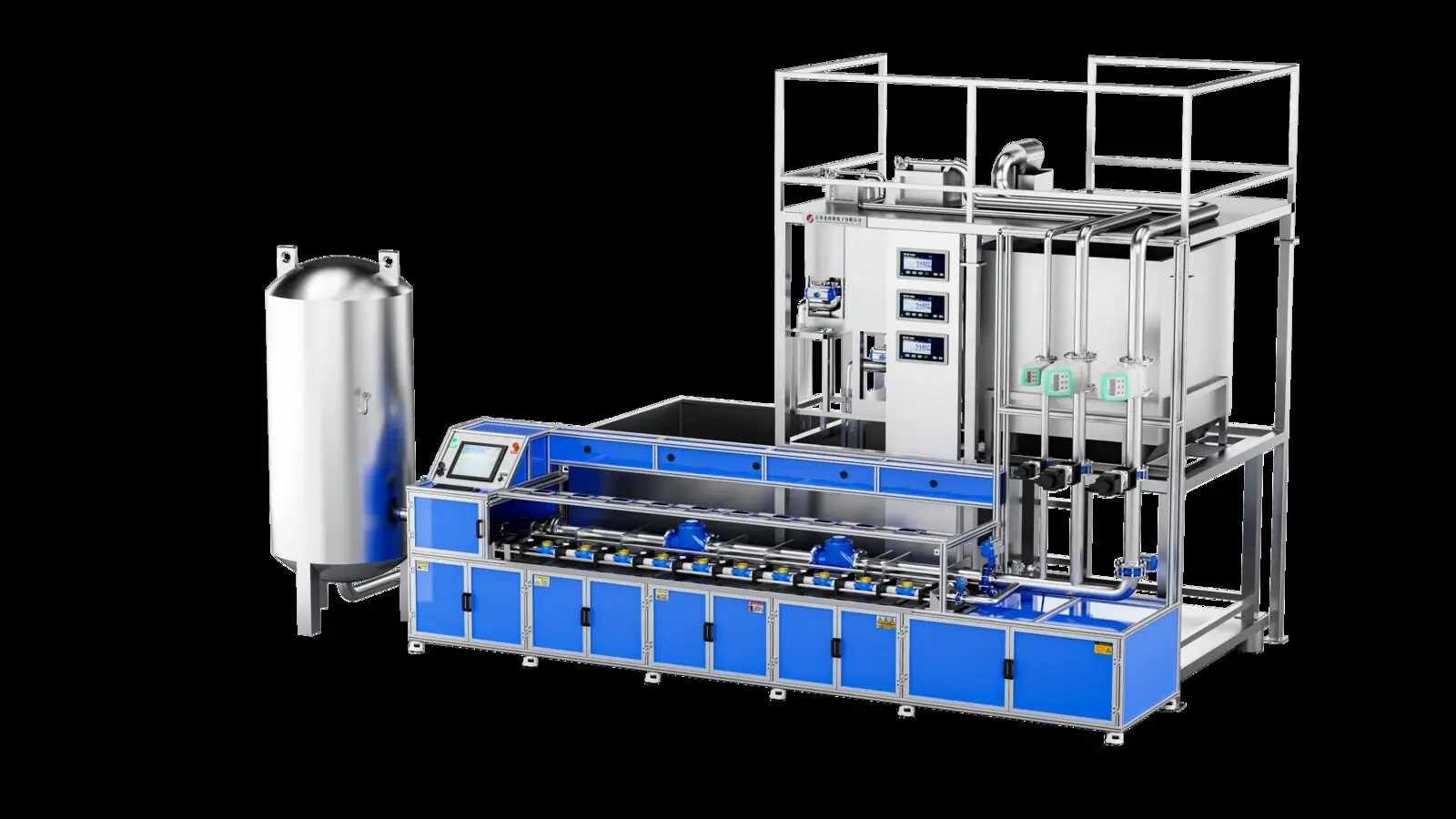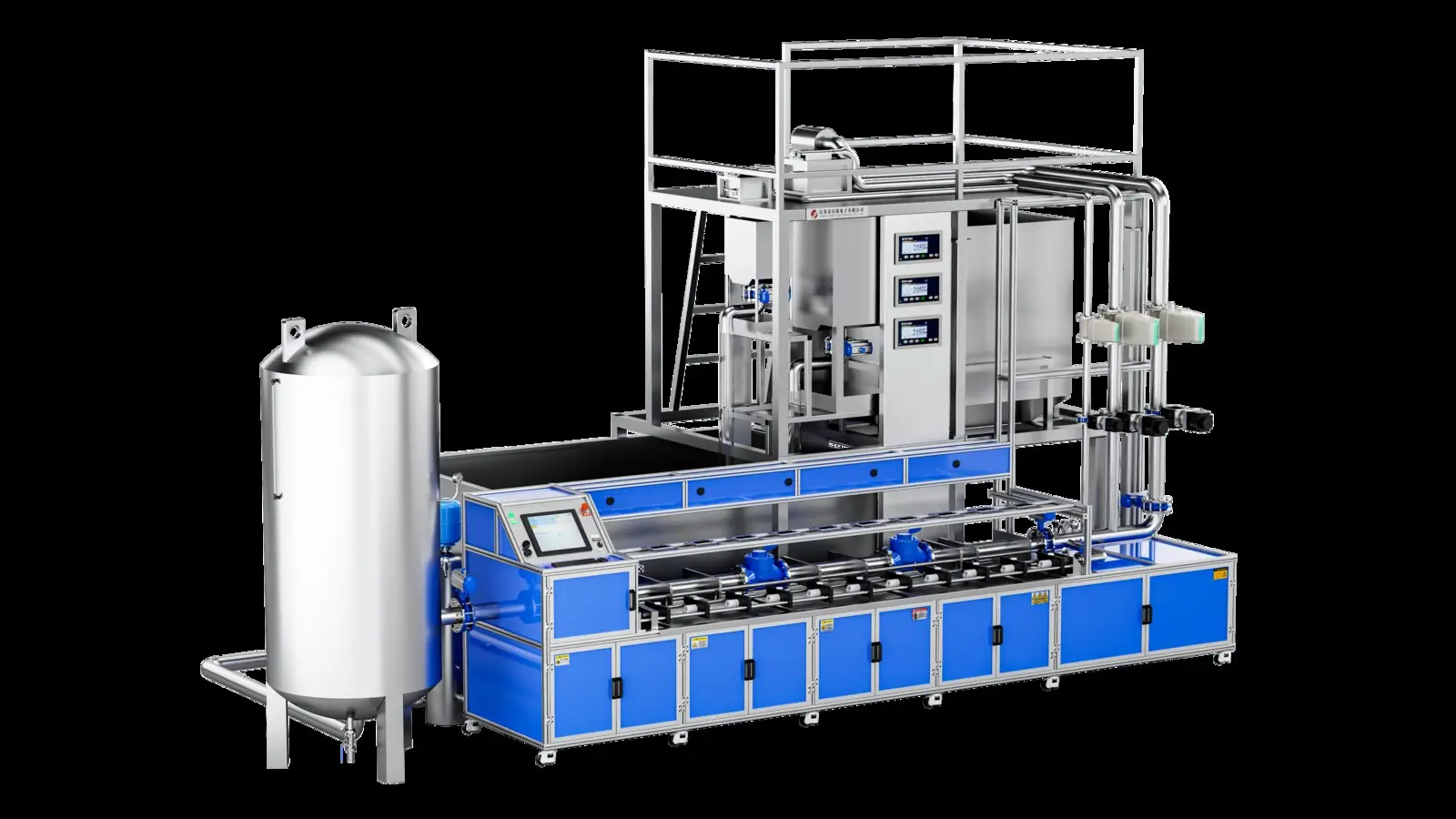
Author: KINMY

  • How to Choose an Automatic Water Meter Test Bench: 7 Key Factors

    How to Choose an Automatic Water Meter Test Bench: 7 Key Factors

    A practical guide to water meter testing equipment, measurement methods, pipeline configurations, and automation requirements.

    Choosing the right automatic water meter test bench is an important decision for water meter manufacturers, quality control departments, and metrology laboratories. The right equipment should match the meters being tested, the required measurement method, the operating flow range, and the intended testing workflow.

    However, not every water meter testing system is designed for the same application. Differences in nominal diameter, reference measurement method, pipeline layout, and automation level can affect the overall equipment configuration.

    In this guide, KINMY explains seven key factors to consider when selecting water meter testing equipment, helping you define your requirements before requesting a customized solution.

    Identify the Water Meter Types and Nominal Diameters

    The first step is to determine which water meters the test bench needs to accommodate.

    Water meter testing equipment can be configured for different nominal diameter ranges, from small-diameter meters to larger-diameter meters used in commercial and industrial applications.

    Before selecting a system, identify:

    • The nominal diameter range, such as DN15–DN25, DN15–DN50, DN15–DN100, or DN50–DN200
    • The types of meters to be tested, including mechanical and electronic water meters, where applicable
    • The number of meters to be tested in each batch
    • The required test flow conditions
    • The expected frequency of meter changeover

    These requirements influence the pipeline arrangement, clamping mechanism, flow-control components, and overall test bench design.

    A test bench designed for small-diameter meters should not automatically be assumed suitable for larger meters. Confirm the supported diameter range and configuration with the equipment manufacturer.

    Select the Appropriate Measurement Method

    The measurement method determines how the reference quantity is established and compared with the meter under test.

    KINMY’s product range includes test bench configurations using different measurement methods, depending on the model and application.

    Gravimetric Method

    The gravimetric method determines the mass of collected water using a weighing system. The corresponding water volume is calculated using the appropriate water-density value and relevant test conditions.

    When evaluating a gravimetric-method test bench, consider the weighing system, collection arrangement, measurement procedure, and required operating range.

    Reference Meter Method

    The reference meter method compares the meter under test with a suitable reference meter.

    The reference meter’s metrological performance, calibration status, measurement range, and installation conditions are important considerations when selecting this configuration.

    Volumetric Method

    The volumetric method determines water quantity using a known or calibrated volume, according to the system’s measurement procedure.

    For a volumetric test bench, consider the measuring vessel’s capacity, the collection arrangement, and the testing workflow required for the intended application.

    Piston Prover Method

    Some water meter testing equipment uses a piston-based measurement arrangement. This is a distinct method and should be evaluated according to the specific equipment design and test procedure.

    Important: These methods should not be treated as interchangeable. The appropriate choice depends on the required measurement performance, applicable testing procedure, meter specifications, and equipment configuration.

    Define the Required Flow Range and Test Conditions

    The test bench must support the flow conditions required for the meters being tested.

    When requesting a quotation, provide the required flow range and relevant test points rather than relying only on the nominal diameter.

    Engineers should also consider:

    • Required test flow rates
    • Flow stability under the specified operating conditions
    • Water supply capacity and operating pressure
    • Water temperature requirements
    • Relevant measurement and timing functions

    Flow stability is particularly important because changes in flow during a test can affect the measurement process.

    The required performance should be assessed for the complete testing system and the intended operating conditions. Specifications from one equipment model should not be assumed to apply to another model.

    Choose the Right Pipeline Configuration

    Pipeline layout affects how meters are installed, how different sizes are accommodated, and how the testing area is organized.

    KINMY’s technical materials describe several pipeline and equipment layout concepts.

    Parallel Pipeline Arrangement

    Separate test pipelines are arranged within a common testing area. This layout may be considered when the application requires multiple test lines within one system.

    Rotary Arrangement

    Test pipelines are arranged around a rotating structure. The arrangement can support changing between testing positions according to the equipment design.

    Replaceable-Pipeline Arrangement

    Different pipeline assemblies can be installed on a common test platform to accommodate the required meter configurations.

    Independent Test-Bench Arrangement

    Separate test units are configured for different meter sizes or testing applications.

    The best layout depends on the number and size of the meters, available floor space, changeover requirements, maintenance access, and production workflow.

    When comparing test benches, evaluate the complete operating process rather than the physical layout alone.

    Determine the Required Level of Automation

    An automatic water meter test bench can integrate multiple operations into a coordinated testing process.

    Depending on the model, its functions may include:

    • Automated test sequencing
    • Flow adjustment and control
    • Meter clamping
    • Sensor signal acquisition
    • Timing and measurement functions
    • Test result processing and recording
    • Touchscreen operation

    Automation can help reduce repetitive manual operations and organize testing procedures. It can also support more consistent workflows when the equipment and test procedure are properly configured.

    However, automation alone does not guarantee measurement accuracy. Reference instruments, installation conditions, flow stability, and measurement procedures remain important.

    Before purchasing equipment, distinguish between standard functions and optional or customized functions. Ask the manufacturer to confirm which operations are automated in the proposed configuration.

    Consider Testing Capacity and Production Workflow

    For water meter manufacturers, testing capacity is not determined solely by the number of meter positions.

    The complete workflow may include meter installation, clamping, filling and air removal where applicable, flow stabilization, measurement, data processing, and unloading.

    When evaluating a multi-position water meter test bench, consider:

    • The number of meters tested simultaneously
    • The time required for each testing sequence
    • The number of test points required per meter
    • Meter installation and removal time
    • Changeover time between meter sizes
    • Operator involvement and data handling

    A multi-position design may help organize batch testing, but actual throughput depends on the testing method, operating conditions, meter type, number of test points, and equipment configuration.

    For this reason, production capacity should be evaluated using the customer’s actual test requirements rather than a generic output figure.

    Evaluate Calibration, Maintenance, and Technical Support

    A water meter test bench is a measurement system, so its reference instruments and measurement components need appropriate calibration, verification, and maintenance.

    Before finalizing the equipment specification, discuss:

    • Calibration and maintenance requirements for reference instruments
    • Access to key components for inspection and servicing
    • Availability of technical documentation
    • Operator training and commissioning requirements
    • Software and data-recording requirements
    • Technical support and spare parts

    These considerations help customers evaluate the equipment throughout its service life, rather than focusing only on the initial purchase price.

    The required calibration and verification arrangements should be determined according to the applicable procedures and the equipment’s intended use.

    A Practical Checklist Before Requesting a Quotation

    Use the following checklist to prepare your water meter testing equipment requirements.

    Requirement Information to provide
    Meter type Mechanical, electronic, or other specified meter types
    Nominal diameter Required DN range
    Measurement method Gravimetric Method, Reference Meter Method, Volumetric Method, or another specified method
    Flow conditions Required flow range and test points
    Testing capacity Number of meters per batch and expected workflow
    Pipeline layout Parallel, rotary, replaceable-pipeline, or independent arrangement
    Automation Required control, measurement, and data functions
    Installation Available space, water supply, power, and other site requirements

    Providing these details helps the equipment manufacturer evaluate the appropriate configuration and identify any additional technical questions before preparing a proposal.

    How KINMY Develops Water Meter Testing Equipment

    Jiangsu Kinmy Electronics Co., Ltd. develops water meter testing equipment and industrial automation solutions.

    KINMY’s technical materials document the development of water meter testing equipment across multiple generations, including early automatic testing arrangements, multi-position equipment, and later designs incorporating sensor technology and integrated automation.

    This development history reflects the importance of matching mechanical structure, measurement components, and control functions to the intended testing application.

    KINMY’s product range includes water meter test benches for different nominal diameter ranges and measurement configurations. Depending on the project, equipment selection can take into account the required measurement method, pipeline layout, testing capacity, and level of automation.

    For customers planning a new testing line or upgrading existing equipment, defining the application requirements is the first step toward evaluating a suitable solution.

    Conclusion

    Choosing an automatic water meter test bench involves more than selecting a nominal diameter range or a measurement method.

    The right configuration should account for meter compatibility, reference measurement, flow conditions, pipeline layout, automation, production workflow, and long-term maintenance requirements.

    By defining these factors before requesting a quotation, water meter manufacturers and metrology laboratories can compare equipment configurations more effectively and identify a solution that fits their actual testing needs.

    Looking for water meter testing equipment for your production line or laboratory?

    Contact KINMY to discuss your meter specifications, required measurement method, flow range, testing capacity, and automation requirements.

    KINMY — Water Meter Testing Equipment and Industrial Automation Solutions.
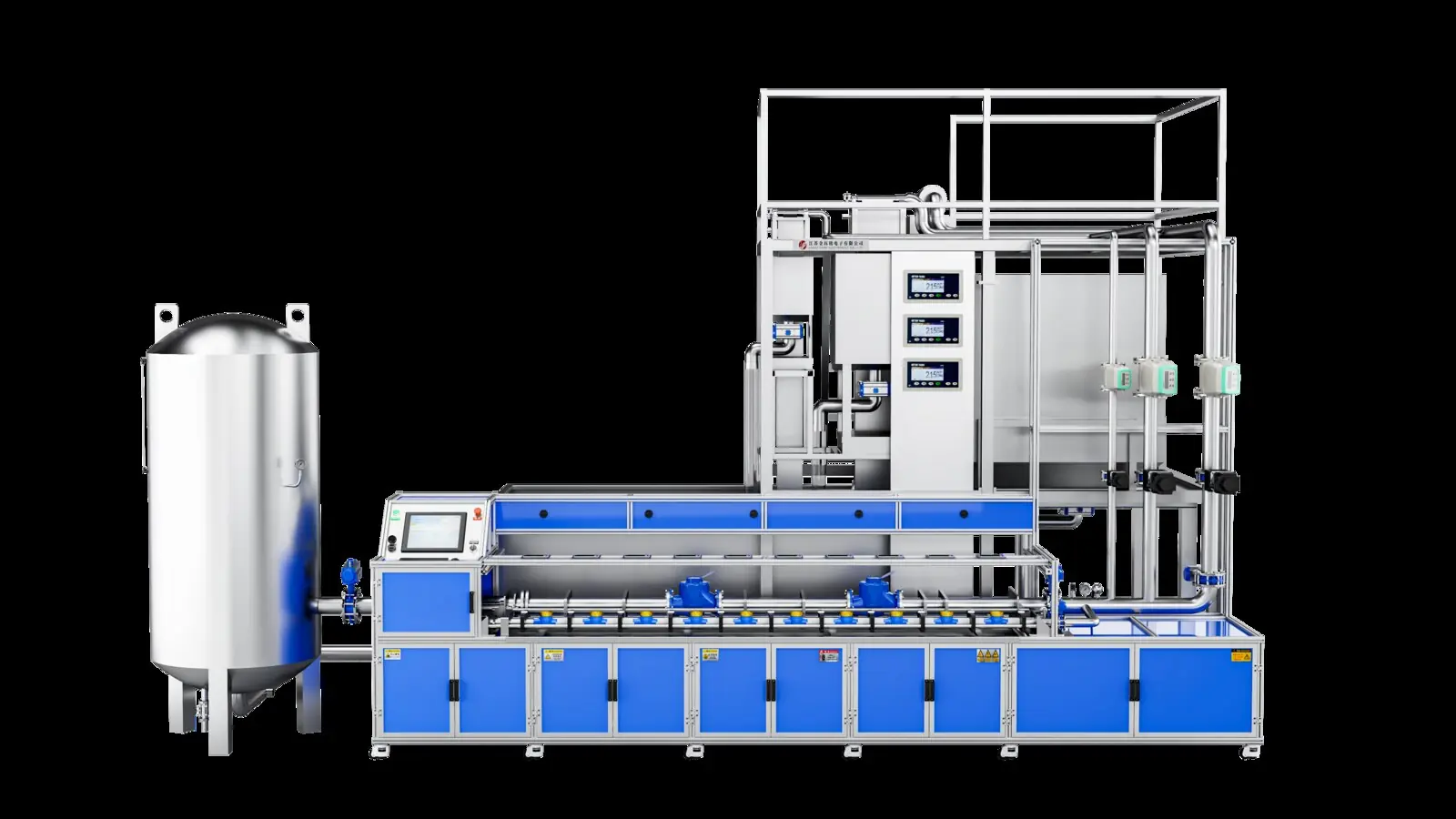
  • Water Meter Verification Methods and Test Modes

    Water Meter Verification Methods and Test Modes

    Water Meter Verification: Reference Measurements and Test Modes

    A technical guide to water meter testing principles, reference measurement methods, and automatic test bench selection.

    Water meter testing is an essential part of water meter manufacturing, quality control, and metrological evaluation. To assess a water meter’s measurement performance, a testing system must establish suitable flow conditions, obtain a reliable reference measurement, and compare the reference result with the meter’s indicated volume.

    However, not all water meter test benches use the same measurement principle. Depending on the equipment design, a system may determine water quantity through mass measurement, compare readings with a reference meter, use flow measurement and elapsed time, or measure the collected volume in a calibrated vessel.

    In this guide, KINMY explains four methods described in our technical materials and discusses how the measurement principle influences water meter test bench design, operating workflow, and equipment selection.

    What Is a Water Meter Testing Bench?

    A water meter testing bench is a system designed to evaluate water meter performance under defined test conditions.

    A typical water meter testing system may include the following components:

    • Water supply system: Provides the water required for testing and may incorporate pumps, a water tank, or pressure-stabilizing arrangements.
    • Pipeline system: Connects the meters under test and establishes the required water flow path.
    • Reference measuring equipment: Provides the reference quantity or measurement used to evaluate the meter under test.
    • Flow control components: Help establish the required test flow conditions.
    • Timing and data acquisition system: Records relevant measurements and supports the evaluation of test results.

    The exact configuration depends on the testing method, meter type, nominal diameter, required test conditions, and intended application.

    For manufacturers and metrology laboratories, choosing the right water meter test bench starts with understanding how the reference measurement is obtained.

    Gravimetric Method: Determining Water Quantity by Weighing

    The gravimetric method determines the mass of water collected during a test using a weighing system. The corresponding water volume can then be calculated using the appropriate water-density value and test conditions.

    How does it work?

    Water flows through the meter under test and is collected in a weighing vessel. The weighing system measures the collected water mass, which is used to determine the reference volume according to the applicable procedure.

    Key equipment

    A gravimetric-method water meter test bench may include:

    • A weighing system and collection vessel
    • A controlled water supply
    • A test pipeline and meter-clamping arrangement
    • Flow-control components
    • Timing, data acquisition, and result-processing functions, as required by the system

    What should engineers consider?

    Water density and temperature are relevant when converting measured mass into volume. The weighing system, water collection process, and test procedure must also be suitable for the required measurement performance.

    The gravimetric method is therefore not simply a matter of weighing water. Reliable results depend on the complete measurement chain and the way the test is performed.

    Reference Meter Method: Comparing Against a Reference Meter

    The reference meter method evaluates a water meter by comparing its indicated volume with the measurement obtained from a suitable reference meter.

    The reference meter must have established metrological performance and be appropriate for the intended flow range and testing conditions.

    How does it work?

    Water passes through the test arrangement, and the meter under test is evaluated against the reference meter over the defined measurement interval. The difference between the readings is used to assess the meter’s indication error according to the applicable procedure.

    Key equipment

    A reference meter test bench may incorporate:

    • A reference meter
    • A pipeline connecting the reference meter and the meter under test
    • Flow-control components
    • Timing and measurement acquisition functions
    • Software for recording and evaluating test results, depending on the configuration

    What should engineers consider?

    The quality of the result depends on the reference meter’s performance, calibration status, measurement range, installation conditions, and the stability of the test flow.

    A reference meter should not be treated as an automatically error-free standard. Its suitability and performance need to be established for the intended application.

    This method can be incorporated into an automated water meter testing system when the reference meter, hydraulic arrangement, and control process are designed for the required test conditions.

    Time-Flow Method: Using Flow Rate and Elapsed Time

    The time-flow method described in our technical materials uses a flow measurement and elapsed time to determine the water quantity passing through a test section.

    The underlying relationship is:

    Volume = Flow Rate × Time

    This relationship applies when the flow rate is constant over the measurement interval. If the flow rate varies, the volume must be determined using the flow over time rather than simply multiplying one instantaneous flow-rate reading by the total test duration.

    How does it work?

    A flow-measuring instrument provides the relevant flow information, while a timing function establishes the measurement interval. The resulting water quantity is then used in the comparison with the meter under test.

    Key equipment

    Depending on the design, the system may include:

    • A suitable flow-measuring instrument
    • A timing system
    • Flow-control components
    • A test pipeline
    • Data acquisition and processing functions

    What should engineers consider?

    The flow-measuring instrument must be suitable for the intended operating range and measurement requirements. Flow stability, instrument performance, timing, and the test procedure all influence the reliability of the result.

    Reference measurement principles and test modes describe different parts of a test system. Gravimetric, volumetric and reference meter arrangements establish or compare the reference quantity. Timed flow measurement describes acquisition and calculation; its reliability depends on the calibrated flow reference and timing. Start-stop operation and flow diversion describe the measurement sequence. Specify these separately when comparing test benches.

    Volumetric Method: Determining Water Quantity by Volume

    The volumetric method determines the collected water quantity using a vessel with a known or calibrated volume.

    In the terminology used in our technical materials, this method corresponds to determining water quantity by comparing the meter’s indicated volume with a reference vessel’s volume.

    How does it work?

    Water is collected in a suitable vessel during the test. The collected quantity is determined using the vessel’s calibrated capacity or other specified volumetric measurement procedure, and the result is compared with the meter under test.

    Key equipment

    A volumetric water meter test bench may include:

    • A calibrated measuring vessel
    • A water supply and test pipeline
    • Flow-control components
    • A suitable arrangement for collecting and determining water volume
    • Timing and data acquisition functions, where required

    What should engineers consider?

    The vessel’s calibration, usable capacity, reading procedure, collection process, and test conditions all matter.

    The method can be suitable for applications where direct volumetric measurement meets the test requirements. However, the practical design of the vessel, pipeline, and collection system affects the equipment’s size, operating workflow, and automation complexity.

    Terminology note: The volumetric method should not automatically be treated as identical to every reference-vessel or standard-container procedure. The applicable method is determined by the actual equipment design and test procedure.

    Comparison of the Four Water Meter Testing Methods

    The following table summarizes the basic principles described above. It is a conceptual comparison, not a substitute for a specific test procedure or equipment specification.

    ApproachReference or calculationEngineering considerations
    Gravimetric referenceCollected water mass converted to volume using water densityWeighing performance, temperature and collection sequence
    Reference meter comparisonMeter indication compared with a calibrated reference meterCalibration, flow range, installation and acquisition
    Volumetric referenceCollected quantity compared with a calibrated volumeVessel calibration, usable capacity and collection arrangement
    Timed flow acquisitionWater quantity calculated from calibrated flow measurements over timeFlow variation, reference calibration, timing and data processing

    No method should be selected solely because it appears faster or less expensive. The appropriate choice depends on the required measurement performance, meter specifications, applicable procedure, production workflow, and total equipment requirements.

    How the Testing Method Influences Water Meter Test Bench Design

    The measurement principle is only one part of equipment selection. The hydraulic arrangement and operating workflow also need to match the application.

    Pipeline configuration

    Different meter sizes and testing workflows may require different pipeline arrangements. Common structural concepts include:

    • Parallel pipeline arrangement: Separate test lines are arranged within the testing area.
    • Rotary arrangement: Test pipelines are arranged around a rotating structure to support changes between test positions.
    • Replaceable-pipeline arrangement: A common test platform accommodates different pipeline assemblies as required.
    • Independent test-bench arrangement: Separate testing units are configured for different meter sizes or applications.

    These are equipment layout concepts rather than measurement methods. The appropriate structure depends on meter dimensions, changeover requirements, available space, and the intended production process.

    Automation and data acquisition

    An automatic water meter test bench may integrate flow adjustment, sensor data acquisition, test sequencing, and result recording.

    Automation can help organize repeated operations and reduce manual data handling. However, automation alone does not guarantee measurement accuracy. The reference system, flow conditions, installation, measurement components, and test procedure remain essential.

    Production and laboratory requirements

    A water meter manufacturer may prioritize repeatable production workflows, efficient meter changeover, and batch testing. A metrology laboratory may place greater emphasis on reference measurement, test procedure control, and result traceability.

    These requirements should be defined before the equipment configuration is finalized.

    How to Choose the Right Automatic Water Meter Test Bench

    Before selecting an automatic water meter test bench, consider the following questions:

    1. Which meters need to be tested? Define meter types, nominal diameters, and relevant operating ranges.
    2. Which measurement method is required? Confirm the applicable procedure and reference measurement principle.
    3. What test points and flow conditions are needed? Define the required test conditions before selecting the hydraulic arrangement.
    4. What is the required testing capacity? Specify the number of meters per batch and the intended operating workflow.
    5. What level of automation is appropriate? Identify requirements for clamping, flow control, data acquisition, result processing, and reporting.
    6. What installation and maintenance conditions apply? Consider floor space, changeover access, maintenance needs, and operator workflow.

    Providing this information helps equipment engineers evaluate a suitable system configuration instead of choosing a test bench based on one specification alone.

    Conclusion: Match the Measurement Method to the Testing Requirement

    Gravimetric, volumetric and reference meter arrangements provide different ways to establish or compare water quantity. Timing and flow acquisition must be considered alongside the selected reference arrangement.

    Understanding these principles helps manufacturers and laboratories evaluate the reference measurement, pipeline arrangement, automation requirements, and operating workflow needed for their applications.

    At KINMY Measurement Systems, we provide water meter testing equipment and configurable testing solutions for meter manufacturers, utilities, and metrology laboratories. Our product portfolio includes water meter test benches designed around different nominal diameter ranges and measurement methods.

    If you are planning a new testing project, share your meter specifications, required test method, flow range, testing capacity, and automation requirements with our team.

    Contact KINMY to discuss a water meter testing system configured for your application.

  • How Are Water Meters Tested for Accuracy?

    How Are Water Meters Tested for Accuracy?

    Understanding the Principles Behind Water Meter Testing Equipment

    Water meters play an important role in measuring water consumption in residential, commercial, and industrial applications. But how can manufacturers and testing laboratories determine whether a water meter measures water flow correctly?

    A water meter testing bench provides a controlled environment for evaluating meter performance. By comparing the readings of a meter under test with a reference measurement, operators can assess its measurement error under specified test conditions.

    In this article, we explain the basic principles of water meter testing and the key components of a testing system.

    What Is a Water Meter Testing Bench?

    A water meter testing bench is equipment designed to evaluate the flow-measurement performance of water meters.

    A typical system may include:

    • Water supply system: Provides the water required for testing.
    • Pipeline system: Connects the meters under test and controls the water flow path.
    • Reference measuring equipment: Provides the reference measurement used for comparison.
    • Flow control components: Help establish the required test conditions.
    • Timing and data acquisition systems: Record relevant measurements and support result evaluation.

    The exact configuration depends on the testing method, meter specifications, and intended application.

    How Does the Testing Process Work?

    Although procedures vary by system, a typical test follows several basic steps.

    Step 1: Install the water meters

    Place the meters in the designated test positions and check the connections to ensure that the test setup is ready.

    Step 2: Establish the required flow conditions

    Adjust the water supply and flow-control system to achieve the specified test conditions. Stable flow conditions are important for obtaining consistent measurements.

    Step 3: Collect measurement data

    Record the readings from the meter under test and the reference measuring system. Depending on the equipment, measurements may be obtained through weighing, reference meters, standard vessels, or other suitable methods.

    Step 4: Evaluate the measurement error

    Compare the meter’s indicated volume with the reference volume to determine the measurement error.

    A commonly used expression for relative indication error is:

    Relative error (%) = [(Indicated volume − Reference volume) / Reference volume] × 100%

    The applicable test procedure determines how the readings are collected, processed, and evaluated.

    Step 5: Record the results

    A testing system may record test conditions, measurement data, and calculated results. Automated equipment can help reduce repetitive manual operations and improve the consistency of data collection.

    Common Methods Used in Water Meter Testing

    Different testing methods offer different advantages and limitations.

    Gravimetric method

    This method determines the collected water mass using a weighing system. The corresponding water volume can then be calculated using the appropriate water-density value and test conditions.

    Reference meter method

    The meter under test is compared with a reference meter whose performance has been appropriately established. The reliability of the reference meter is essential to the quality of the results.

    Reference vessel method

    A calibrated vessel is used as a volume reference. This method can be suitable for performance testing, depending on the test requirements and equipment configuration.

    Time-based flow measurement

    Some systems use flow measurement and elapsed time to determine the volume passing through a test section. The measurement principle and instrumentation must be appropriate for the required test conditions.

    The choice of method should be based on the required measurement performance, testing purpose, equipment configuration, and applicable technical requirements.

    Why Does Automation Matter?

    As water meter manufacturing develops, testing equipment must support both reliable measurement and efficient production.

    Automated water meter testing equipment can integrate flow adjustment, sensor data acquisition, test sequencing, and result recording into a coordinated process.

    Multi-position systems can also support the testing of multiple meters, depending on their hydraulic design and control configuration.

    However, automation alone does not guarantee measurement accuracy. Reference equipment, flow stability, installation conditions, water temperature, air management, and the validation of the test procedure must all be considered.

    Choosing the Right Testing Equipment

    Before selecting a water meter testing bench, manufacturers and laboratories should consider several questions:

    • What types and sizes of water meters need to be tested?
    • Is the primary goal production calibration or detailed performance testing?
    • How many meters need to be tested per batch?
    • Which reference measurement method is appropriate?
    • What level of automation is required?
    • What installation space, maintenance access, and budget are available?

    Answering these questions helps identify an equipment configuration that fits the actual application rather than simply choosing the most complex system.

    Conclusion

    Water meter testing combines controlled flow conditions, reliable reference measurements, and systematic data evaluation. A well-designed testing bench helps manufacturers and laboratories assess meter performance and organize testing operations more effectively.

    At Jiangsu JinYuMing Electronics Co., Ltd., our technical development experience includes multi-position water meter testing equipment and integrated automatic testing systems.

    Looking for a water meter testing solution?

    Contact our team to discuss your meter specifications, testing objectives, and automation requirements.

Leave a Message